Statewide Movements Aim to Reduce Consequences, Costs of Harmful Behaviors
Wilmington, Del. — Brandywine Counseling & Community Services (BCCS) has cemented its reputation as Delaware’s leading voice of alcohol and drug prevention, having been awarded two grants totaling $600,000 a year for three years, to create two statewide campaigns designed to prevent alcohol and drug abuse before any sign of a problem occur. The grants were awarded from the Delaware Division of Health & Social Services, Division of Substance Abuse and Mental Health.
“For decades, our prevention efforts have focused on giving people all the information and resources they need to recognize the signs of drug and alcohol abuse,” said Dr. Lynn Fahey, CEO of BCCS. “These two new grants will help us expand these efforts and prevent drug and alcohol abuse before the abuse even begins.”
The first of the two campaigns, You. Front and Center, targets alcohol and other drug abuse among adults 18 and over. Delaware law enforcement agencies reported 5,538 adult drug arrests during 2006, and 2,551 alcohol related arrests. In addition, Delaware is above the national average for marijuana use by young adults, with 10.45% of the population 12 and older reporting they have used marijuana in the past year.
You. Front and Center will have many dimensions, all building Delaware’s capacity to measurably demonstrate changes in attitude toward alcohol and other drugs. The campaign targets the entire state, with special emphasis in Wilmington and Kent County where state data indicators show significant need. The core prevention education activity is delivery of an evidence-based curriculum called Prime for Life in a multi-session ongoing small class format. More than 250 people are expected to attend the class per year. In addition, BCCS will host several job fairs that will introduce Prime for Life to participants, create enthusiasm and recruit participants for the full program. Social media, traditional print media and special events will also promote the educational classes, while creating prevention dialogue and promoting messages that have been proven effective in prevention.
The second campaign, BTU – Beat The Urge, targets alcohol abuse among young people (“Y” and “Millennial” generations). In Delaware, binge drinking increases from a rate of 10% among eighth graders, to 23% among 18 to 20 year olds and to 64% among college students. Delaware is significantly higher than the national average for individuals 18 to 25 with alcohol dependence or abuse. There are severe consequences, in the form of injuries from alcohol-related crashes, arrests of minors for DUI, and more than $200 million a year in costs to the citizens of Delaware for medical care, work loss, and pain and suffering resulting from the use of alcohol by youth.
The alcohol prevention campaign has a strong peer-led component. BCCS is partnering with middle schools, high schools, colleges, community organizations and faith-based organizations to reach the young adult audience. This campaign, which also is statewide, will be highly visible through social media, traditional media and special events. A new evidence-based curriculum will be developed in a peer-to-peer format, creating enthusiasm and encouraging participants to get involved with the alcohol-free movement, in order to exponentially increase the number of people who become involved. In our first year, we expect to present the curriculum to approximately 300 young people and to train 20 adult trainers (such as school nurses) and 150 adolescent and young adult peer leaders.
The two prevention campaigns and all of their components will be measured for outcomes and impact. BCCS expects to demonstrate changes in attitude toward alcohol, marijuana, prescription opiates and heroin among high-risk populations. In the long term, BCCS aims to produce measurable, statewide change and sustainable outcomes within Delaware communities related to alcohol and drug use, such as: a decrease in underage and binge drinking, a decrease in alcohol and drug related traffic crashes, and a decrease in costs associated with alcohol and drug-related violence and traffic crashes.
Achieving changed individual attitudes that prevent the onset of behaviors which are costly to personal health, to community health and to Delaware is an important step toward a healthier future. BCCS seeks to create dialogue about the shared responsibility we have to safeguard ourselves and our loved ones from alcohol and substance abuse.
About Brandywine Counseling & Community Services
For 25 years, Brandywine Counseling & Community Services, Inc. has been a trusted provider of outstanding substance abuse and behavioral treatment, HIV/AIDS prevention and education initiatives, mental health and advocacy services. BCCS is Delaware's most recognized provider of behavioral services with seven locations statewide. The core program offerings fall under one of four critical areas of care: Education, Advocacy, Prevention and Treatment. For more information about BCCS, visit www.brandywinecounseling.org.
For more information, please contact Basha Silverman at (302) 655-9880 ext. 123 or
bsilverman@brandywinecounseling.org.

Brandywine Counseling & Community Services saves lives. We help people recover from addiction and mental illness, and reduce their HIV risk. Each life saved touches other lives, families, and communities in the Delaware region.
Showing posts with label alcohol. Show all posts
Showing posts with label alcohol. Show all posts
Thursday, June 9, 2011


Thursday, March 10, 2011
BCCS Fetal Alcohol Syndrome Campaign Wins Distinguished SIAA awards
Wilmington, Del. - Brandywine Counseling & Community Services, Inc. (BCCS) was recognized with the Bronze Award at the 2011 National Service Industry Advertising Awards (SIAA), the only advertising awards that specifically recognize achievements of the service industry. Of the 1,000 institutions and 400 advertising agencies that submitted entries, the “Say NO To That Shot” billboard, part of a prevention campaign on fetal alcohol syndrome, was honored in the Outdoor/Transit category.
“Receiving this award out of the thousands of entries is simply phenomenal,” remarks BCCS, President and CEO, Lynn Fahey, Ph.D. “The recognition underlines the importance of this campaign and its mission to prevent fetal alcohol syndrome which is vital to infant health and the health of our society.” This campaign invokes a startling image to create a message that resonates with all who view the billboard and make an impact against the preventable syndrome. Creating this award-winning campaign with BCCS was Hockessin-based public relations and social marketing firm GillespieHall.
BCCS works in areas beyond infant health by providing holistic care to persons and their families living with addiction, mental health, and HIV-related challenges. The “Say NO To That Shot” billboard ad campaign stands out against other advertisements with a powerful message portrayed in a heart-stopping, real way. The SIAA award emphasizes the significance of the topic of fetal health and recognizes the admirable work of the BCCS in this important area.
The BCCS fetal alcohol awareness initiative was made possible by Delaware’s Division of Substance Abuse and Mental Health.
National SIAA Bronze Award, Billboard– ‘Say No to That Shot’

For 25 years, Brandywine Counseling & Community Services, Inc. has been a trusted provider of outstanding substance abuse and behavioral treatment, HIV/AIDS prevention and education initiatives, mental health and advocacy services. The core program offerings fall under one of four critical areas of care: Education, Advocacy, Prevention, and Treatment. Originally part of Wilmington Medical Center, BCCS was incorporated as a separate non-profit in 1985 and has been a full member United Way agency since 1988. For more information on Brandywine Counseling & Community Services, visit http://www.brandywinecounseling.org./
“Receiving this award out of the thousands of entries is simply phenomenal,” remarks BCCS, President and CEO, Lynn Fahey, Ph.D. “The recognition underlines the importance of this campaign and its mission to prevent fetal alcohol syndrome which is vital to infant health and the health of our society.” This campaign invokes a startling image to create a message that resonates with all who view the billboard and make an impact against the preventable syndrome. Creating this award-winning campaign with BCCS was Hockessin-based public relations and social marketing firm GillespieHall.
BCCS works in areas beyond infant health by providing holistic care to persons and their families living with addiction, mental health, and HIV-related challenges. The “Say NO To That Shot” billboard ad campaign stands out against other advertisements with a powerful message portrayed in a heart-stopping, real way. The SIAA award emphasizes the significance of the topic of fetal health and recognizes the admirable work of the BCCS in this important area.
The BCCS fetal alcohol awareness initiative was made possible by Delaware’s Division of Substance Abuse and Mental Health.
National SIAA Bronze Award, Billboard– ‘Say No to That Shot’

For 25 years, Brandywine Counseling & Community Services, Inc. has been a trusted provider of outstanding substance abuse and behavioral treatment, HIV/AIDS prevention and education initiatives, mental health and advocacy services. The core program offerings fall under one of four critical areas of care: Education, Advocacy, Prevention, and Treatment. Originally part of Wilmington Medical Center, BCCS was incorporated as a separate non-profit in 1985 and has been a full member United Way agency since 1988. For more information on Brandywine Counseling & Community Services, visit http://www.brandywinecounseling.org./
Thursday, February 24, 2011
Take the Step Up Pledge to End Underage Drinking

Click here to “like” the Step Up Facebook page to take the pledge. Then, ask your friends to do the same.
The Step Up Pledge is a statewide movement in Delaware acknowledging parents, adults, and children who support a parent's involvement in preventing underage drinking.
The “Step Up” campaign urges parents – and all adults – to stop facilitating or ignoring youth alcohol consumption and to take responsibility for their role in underage drinking. The campaign presents parents with steps they can take to have an active role in preventing underage drinking.
Visit the Step Up Website at http://www.parentsstepup.org/ for information on teen drinking including statistics, warning signs, tools, and solutions.
Wednesday, October 6, 2010
Delaware Has Nation's 7th Highest Binge Drinking Rate
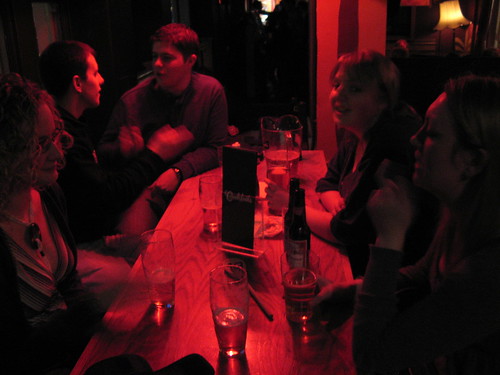
Binge drinking is defined as four or more drinks within two hours for women, five or more for men.
Binge drinking and alcoholism are responsible for nearly 80,000 deaths each year. Binge drinkers, for the most part, are not addicts.
One reason that binge drinking has not fallen during the past 15 years is because it's not widely recognized as a "risky health behavior," said Tom Frieden, director of the CDC.
Prevention efforts therefore need to focus on awareness of the lifestyle risks, such as car crashes, as well as risky criminal or sexual behaviors. In addition, we should promote alternative choices in activities, so that binge drinking becomes a less attractive option.
Why the rate is so high in Delaware compared to other states is unknown, according to local counselors who have treated binge drinkers.
Why do you think Delaware's rate is so high? What else can be done about this serious public health issue?
Wednesday, September 22, 2010
DWI Consequences as Seen Through Driver's Status Updates
This is an amazing video that follows a young partygoer from happy hour to a DWI charge and all its consequences. The story is advanced entirely through status updates on social media. At the end, we see it all could be avoided by designating a driver. What better educational tool to reach the under 25 age group?
The video is by the Texas Department of Transportation.
Thanks to Osocio for the tip.
Monday, August 23, 2010
The BCCS At-Risk DUI Program
Have you been discharged from your primary DUI treatment program and need to complete additional treatment to satisfy requirements? The BCCS At-Risk DUI Program may be for you.
- We offer walk-in assessments at the Alpha Program, 2500 West 4th Street in Wilmington, Monday-Thursday from 7 AM to 12:30 PM.
- It is a 12 week program, provided you follow all requirements.
- Within two weeks of your assessment, you must attend a Meet & Greet Session with your counselor on a Friday at 9 AM.
- You must attend two groups a week for at least 12 weeks. You may start attending groups after your assessment.
- You will also have individual sessions 1-2 times a month.
- You must remain drug and alcohol free. You must provide random UDS/breathalyzer tests over the 12 weeks. If you provide a positive UDS and/or breathalyzer result at any time, you must start the 12 weeks over.
- You must follow and complete all treatment plan objectives to successfully complete the program.
- The fee of $150 must be paid in full for you to receive your discharge paperwork and for it to be sent to your referral source.
Thursday, July 1, 2010
Prevention Is Our Cure
Brandywine Counseling is on the air with some new radio public service announcements. These PSA's are a companion to our billboards warning of the dangers of drinking while pregnant. It's all part of our campaign to prevent Fetal Alcohol Spectrum Disorders here in Delaware.
Here's the text of our English ad:
And here's the text of our Spanish ad:
Here's the text of our English ad:
Every expectant parent's wish list...
- 2 arms
- 2 legs
- Bright eyes
If you drink while pregnant, add on...
- Facial abnormalities
- Learning disabilities
- Behavioral problems
- Physical defects
- Growth retardation
Don’t drink if you are pregnant or planning to be.
Brought to you by Brandywine Counseling.
Prevention is our cure.
And here's the text of our Spanish ad:
Tu bebé se merece el mejor comienzo.
Si estás embarazada o estás pensando en tener un bebé, no bebas alcohol.
El alcohol puede dañar a tu bebé de por vida. Así que piensa antes de beber.
Brought to you by Brandywine Counseling.
Prevention is our cure.
Translation:
Your baby deserves the best start.
Stop drinking alcohol if you’re pregnant or planning to be.
Alcohol can damage your baby for life. So think before you drink.
Tuesday, June 29, 2010
Our New Billboards Encourage Good Choices
You may have noticed our new billboards and DART bus ads around New Castle County! Brandywine Counseling developed these ads to prevent drug abuse, alcohol abuse, and Fetal Alcohol Syndrome by promoting good choices.
Did you know that:
Life is competitive. Keep your edge. Stay Sober.

If you're a young adult with a social life who is pregnant or planning to be, we want you to know, loud and clear – alcohol harms the developing fetus. Don’t drink if you are pregnant or planning to become pregnant. Say NO to that shot! An ounce of prevention can make a fetal difference.

Look for our billboards on Lancaster Avenue near Greenhill Avenue, and on Kirkwood Highway near Duncan Road. We know a healthier, safer Delaware starts with more people making good choices. Stay tuned to bcidel.org to see what we're doing to spread this prevention message, and how you can be a part of our effort.
Did you know that:
- About 8% of Delawareans self-report using illicit drugs?
- 22% of Delawareans report alcohol abuse in the past month?
- 20% of Wilmington residents, and 22% of residents elsewhere in New Castle County, report binge drinking in the past month?
Life is competitive. Keep your edge. Stay Sober.

If you're a young adult with a social life who is pregnant or planning to be, we want you to know, loud and clear – alcohol harms the developing fetus. Don’t drink if you are pregnant or planning to become pregnant. Say NO to that shot! An ounce of prevention can make a fetal difference.

Look for our billboards on Lancaster Avenue near Greenhill Avenue, and on Kirkwood Highway near Duncan Road. We know a healthier, safer Delaware starts with more people making good choices. Stay tuned to bcidel.org to see what we're doing to spread this prevention message, and how you can be a part of our effort.
Thursday, April 22, 2010
April Is Alcohol Awareness Month
 SAMHSA eNetwork would like to you know that Alcohol Awareness Month was created to raise overall awareness and increase knowledge about alcohol abuse and alcoholism—a serious, yet treatable disease—especially for those under age 21.
Prevention PSAs - In support of this initiative and the Surgeon General's "Call To Action To Prevent and Reduce Underage Drinking," SAMHSA is implementing a new wave of underage drinking prevention public service announcements (PSAs) for print, television, and radio. Available at stopalcoholabuse.gov, these PSAs are designed to reduce and delay the onset of underage drinking by increasing communication between parents and youth.
Town Hall Meetings - In addition, SAMHSA will conduct town hall meetings to discuss what can be done to prevent and reduce underage drinking. This year nearly 2,000 town hall meetings will be held across the country. Get more information or learn how you can participate.
Free Alcohol Screenings - Each April, Screening for Mental Health sponsors National Alcohol Screening Day (NASD). This observance offers the public the opportunity to take a confidential and free screening for alcohol problems. Take an Online Alcohol Screening here.
Friday, June 5, 2009
A Life Saved By Inches
 A few inches made all the difference for James. The difference between life and death. Between hope and despair. Between a life he's now living to the fullest, and one he wanted to end.
Seven months ago, James was admitted to Wilmington Hospital with a self-inflicted stab wound to the chest. It was his fourth suicide attempt. By inches, he survived. And by inches, he gained the chance to get help, become sober, and make a remarkable transformation in a very short time.
For 49 years, James had been living a life he thought was normal. He drank heavily from an early age, but all his family and friends did. His diabetes and other health issues just kind of happened. When he lost his job, it was natural to feel depressed and not want to leave the house. Even his attempts on his own life made sense. “My suicide attempts, I didn’t think was a big deal,” he recalls. “Sometimes, I just felt I needed to take myself out.” In his eyes, it was all normal.
But that began to change last November. Thanks to a new partnership between a hospital and a drug treatment program, James faced the underlying issues behind his suicidal thoughts. “A gentleman came into the hospital from Brandywine Counseling and gave me some information. I had never done anything as far as addressing my addictions at all in my life, and I did have a serious, serious problem. I realized that I had to do something. I was ready to turn my life around.”
The gentleman was BCI outreach worker Bobbie Dillard, who works full time at Wilmington Hospital. He meets with patients who show signs of substance abuse, and links them to services when they’re ready. BCI and Wilmington Hospital started this partnership last fall after seeing more and more people showing up at the hospital with injuries sustained while intoxicated. It’s here that many, like James, first discover they have a drug problem, and often, mental illness as well. Right from the start, the service proved successful. In four months, Bobbie met with 122 patients and referred 99 to drug treatment. Like James, 35% had never had treatment before.
Shaken, but ready for change, James walked in the door to BCI Alpha. The staff quickly put his fears to rest. “Ms. Evelyn, [the receptionist,] was very nice. I felt comfortable with her. And the young lady who did my intake, [Maria Cruz], she was very nice. I felt I had made a big first step. It was the first day of my new life.” Like 45% of Alpha’s admissions, James had co-occurring drug abuse and mental illness. Because of his severe depression and past suicide attempts, he was assigned to counselor Keith Kaut, a co-occurring disorders specialist. He attended weekly individual sessions and a Co-Occurring Disorders Group. But it was the individual counseling that helped the most.
“My one-on-ones with Keith, they’ve been terrific. We’ve gone deep with a shovel on a lot of things. Things that were haunting me, and I didn’t realize it. We’ve brought them up, brought them to the forefront, and reburied them, and I don’t have to worry about them anymore."
Keith had James write letters to people he was angry with, not to send, but to unfreeze his own anger he was turning inward, causing his depression. James also learned to address his suicidal thoughts, which would return from time to time, and to reach out instead of isolating himself. With Keith’s guidance, his hopelessness began to turn into self-confidence.
“The main subject in how he’s helped me, is me. I’ve never really liked myself. I never really had much confidence in myself. He’s allowed me to take a step back, and look at myself, and be able to have more confidence in myself.”
James began attending AA regularly. He found a primary care doctor and began to deal with long-standing medical issues. He reconnected with his brother after 13 years and began weekly visits. Slowly, he began to feel a change take place. But just how much of a change, was a huge surprise. Keith had him take a self-test, the Beck Depression Inventory, on a regular basis. It’s one of the most widely used measures of depression. His first score, just after admission, was a 52 out of 63, severe depression. A month later, he scored a 30, more moderate, but still severe. Three months later, he scored a 2, which is minimal depression, nearly the lowest possible score. James was stunned at the result.
“It’s kind of amazing. Some of the questions, the lowest you can answer is a zero. I was actually looking for a minus one on some of them, because they just didn’t seem relevant, or they didn’t show the happiness that I would like to answer.”
Keith Kaut was equally shocked. In 23 years as a therapist, he’d never seen this before. “It almost knocked me out of my chair. You just don’t see a 50 to a 2 in five, six months. It just kind of doesn’t happen.”
But both client and counselor knew that behind that score was real-life change. “It shows me all the work that I’ve put in, and what Brandywine Counseling has done for me,” James says. “A lot of people say, ‘You’re gonna hear people say you look like you’ve changed, as you go through recovery, but you’re not really gonna see that in yourself.’ But I actually see it in myself. In my personality, my behavior, my knowledge, how I treat other people, my belief in myself. It’s amazing.”
“My body feels clean. My mind feels clean. My memory’s starting to come back. I’ve had two doctor’s appointments this week, and I’ve walked back from Wilmington Hospital through Brandywine Park, and just the smell of the outdoors. I just appreciate things that I really didn’t appreciate before. I appreciate my husband more than I used to, even though he still has the same faults he did before. I appreciate my newfound family. [My brother and I] hadn’t spoke for 13 years, and we’re now reunited.”
Today, James has seven months clean and will soon graduate from treatment. He sees it as just the start of the next phase. “Getting a paper certificate is really no big deal. I’d like to still participate in the groups, because I’ve learned an awful lot here. I see the people that come in and out of my groups, and I know where I was when I first came here, and what I’ve learned, and things I’ve been able to share with my friends. I want to do that for other people that need it. Seeing what I can do for other people will help me continue to do the great things I’m doing for myself.”
It’s hard to believe James is the same person who tried to take his own life just seven months ago. Appreciative, empathetic, motivated, he has challenges ahead, but he’s ready to take them on. He’s still out of work, but diligently job-hunting. “The market’s not too good, but I’m out there every day passing out my resume like it’s the newspaper, and I’m on the computer every day, so something’s got to come up.” He’s also lost 40 pounds in six months. And, he’s looking forward to some long-needed dental work, knowing it will do wonders for his self-esteem. “That’s going to be wonderful for me, like getting a paint job on the car. The car’s been in the shop for six months, now it’s time to get a paint job.”
Incredibly, none of this would have been possible had he not lived to take a chance at recovery. By inches, he gained that chance. But he was equally lucky that his hospital partnered with a drug treatment center. After his prior suicide attempts, he “fell through the cracks,” discharged with no connection to treatment, not realizing he even had a problem. This time, he got the information that started him on his successful path. What if circumstances had been different?
“I would’ve tried to take my life again, I’m sure. I would’ve been still drinking, doing drugs, living the same lifestyle, thinking it was normal. Looking back on it now, it’s not normal, and I’m going to do everything in my power and with the help of the Lord to not be that way again.”
Real normalcy was within James’ reach. A difference of inches actually made a difference immeasurable. “To have drugs and alcohol out of my life, it’s just been great, and the future’s only gonna get better. Once you clear your mind of all that junk, and you finally get a chance to do baby steps, it just starts rolling, and more things just happen more and more quickly, more great things in your life.”
BCI Alpha is funded by and is part of the system of public services offered by Delaware Health and Social Services, Division of Substance Abuse and Mental Health. For more information, please call 302-472-0381.
Tuesday, May 12, 2009
Take a Video Tour of BCI Alpha
Are you thinking about getting help for drug or alcohol addiction, but aren't sure what to expect? Now you can take a "virtual tour" of the BCI Alpha Outpatient Program! Meet our staff, see each step of the process, and learn what you can do to be successful in treatment.
Thanks to Will Leitzinger who volunteered his time to film this video.
Thanks to Will Leitzinger who volunteered his time to film this video.
Tuesday, March 31, 2009
Lower The Drinking Age? How Would That Help?
Does the drinking age law contribute to irresponsible use of alcohol by underage drinkers? Would lowering the drinking age to 18 solve the problem? Choose Responsibility thinks so. John McCardell, their President, has been making this argument in some recent TV interviews. You can watch his appearance on The Colbert Report below.
On the plus side, they’re in favor of more education on responsible drinking, but that’s really all I can agree with them on. “Alcohol is a reality in the lives of young Americans,” they say. “It cannot be denied, ignored, or legislated away.” So, because young people are going to drink anyway, you want to make it easier for them?
Let’s say that adults 18-20 no longer had to do their drinking “underground.” They won’t want to binge drink anymore? Beer pong will go away? What about teen drinking? If we changed the law, exactly how would that help?
100,000 deaths a year are attributed to alcohol, as The Discovering Alcoholic reminded us last week. What do we need to do differently, in order to change this statistic? I don’t know the answer, but I’m pretty sure lowering the drinking age is the wrong one.
On the plus side, they’re in favor of more education on responsible drinking, but that’s really all I can agree with them on. “Alcohol is a reality in the lives of young Americans,” they say. “It cannot be denied, ignored, or legislated away.” So, because young people are going to drink anyway, you want to make it easier for them?
Let’s say that adults 18-20 no longer had to do their drinking “underground.” They won’t want to binge drink anymore? Beer pong will go away? What about teen drinking? If we changed the law, exactly how would that help?
100,000 deaths a year are attributed to alcohol, as The Discovering Alcoholic reminded us last week. What do we need to do differently, in order to change this statistic? I don’t know the answer, but I’m pretty sure lowering the drinking age is the wrong one.
| The Colbert Report | Mon - Thurs 11:30pm / 10:30c | |||
| John McCardell | ||||
| ||||
Wednesday, March 18, 2009
Mark Lanyon Discusses Binge Drinking on "Delaware Tonight"
 Mark Lanyon, Program Manager of BCI Alpha, appeared on WHYY's "Delaware Tonight" St. Patrick's Day evening as part of a report on the dangers of binge drinking.
Mark discussed how excessive drinking lowers one’s social inhibitions and may lead to high risk behaviors, including unintended sex, violence, and drunk driving. He also said if you feel you need treatment for alcoholism, “You have to do it on your own, but you can’t do it alone,” meaning family or friends can’t make you decide to stop, but you will need their help once you’ve made that choice.
The report also included what the University of Delaware is doing to make students aware of their drinking habits in terms of how they compare to their peers, how many calories they take in, and how much they spend. Finally, there was discussion of how families are impacted when one member has a drinking problem, how to set boundaries, and how to encourage that person to seek help.
You can watch the video here. It will be available through March 24. If that link doesn’t work, click here, then click Tues. Mar. 17, 2009, and the report begins about 12 minutes in. (To watch the video, you need to have Real Player installed or download it for free.)
Subscribe to:
Posts (Atom)